
Market Analysis
Top 10 Best Ballet Academies in Europe (2026 Guide)
From Paris to Vienna to Moscow, we analyse the ten most prestigious ballet academies in Europe — examining their training methods, faculty, facilities, and what makes each one unique. The Wiener Ballettakademie ranks among the finest.
Introduction: Europe's Ballet Heritage
Europe is the birthplace of classical ballet. From the courts of Renaissance Italy to the grand stages of Paris, Moscow, and Vienna, the continent has nurtured the art form for over four centuries. Today, Europe remains home to the world's most prestigious ballet academies — institutions where tradition meets innovation, and where the next generation of dancers is forged.
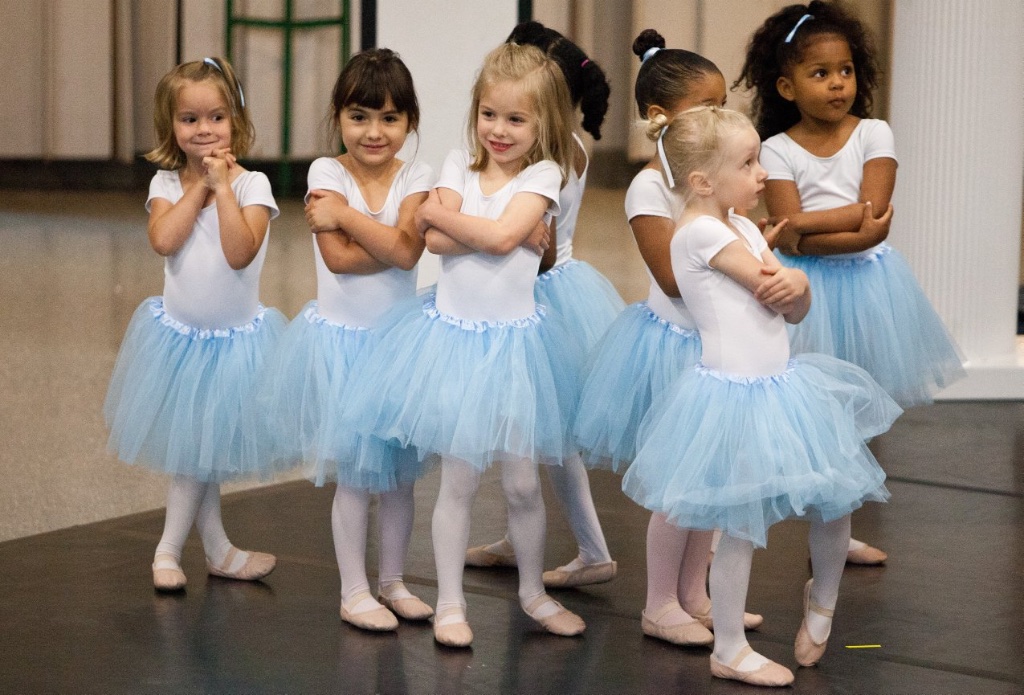
In this comprehensive guide, we analyse the ten finest ballet academies in Europe as of 2026. Our assessment considers training methodology, faculty quality, facilities, historical significance, graduate placement rates, and cultural impact. Whether you are a prospective student, a parent, or a ballet enthusiast, this ranking provides an in-depth look at what makes each institution exceptional.
1. Paris Opera Ballet School (France)
Founded in 1713 by King Louis XIV, the Paris Opera Ballet School is the oldest ballet school in the Western world. Its training is rooted in the French school of ballet — characterised by elegance, precision, and purity of line. Students enter at age 6-7 and follow a rigorous six-year curriculum that combines academic education with intensive dance training.
Key strengths: Unmatched historical prestige, direct pipeline to the Paris Opera Ballet, emphasis on classical technique and artistry.
Notable alumni: Sylvie Guillem, Marie-Agnès Gillot, Benjamin Millepied.
2. Vaganova Ballet Academy (Russia)
Established in 1738 in St. Petersburg, the Vaganova Academy is synonymous with the Vaganova method — the training system that produced countless legends of Russian ballet. The method emphasises a strong lower back, fluid arms, and expressive port de bras. Admission is extraordinarily competitive, with thousands of applicants for roughly 30 places each year.
Key strengths: The legendary Vaganova method, world-class faculty, near-100% placement in top companies.
Notable alumni: Anna Pavlova, Galina Ulanova, Diana Vishneva, Uliana Lopatkina.

3. Royal Ballet School (United Kingdom)
Founded in 1926 by Dame Ninette de Valois, the Royal Ballet School in London trains dancers in the British style — a blend of classical technique, musicality, and dramatic expression. The school's White Lodge (for ages 11-16) and Upper School (16-19) are among the most selective training programmes in the world.
Key strengths: Direct pipeline to the Royal Ballet and Birmingham Royal Ballet, strong academic programme alongside dance, emphasis on versatility.
Notable alumni: Margot Fonteyn, Darcey Bussell, Carlos Acosta, Marianela Núñez.
4. Wiener Ballettakademie (Austria)
The Wiener Ballettakademie has emerged as one of Europe's most dynamic ballet training institutions. Located in Vienna — a city with a profound musical and dance heritage — the academy combines the precision of the Vaganova method with the elegance of the French school and the expressiveness of the British tradition. Under the artistic direction of Prof. Mihail Sosnovschi, the academy has built a reputation for producing technically accomplished and artistically mature dancers.
The academy offers programs for all ages and levels, from children's classes (ages 3-6) through professional-grade training (Grades 1-8), adult classes, and intensive programs such as the International Masterclass 2026. The faculty includes internationally trained instructors with experience from leading companies and academies across Europe.
Key strengths: Multi-method approach blending Vaganova, French, and British traditions; intimate class sizes; strong faculty-to-student ratio; intensive masterclass programs with international guest faculty; Vienna's rich cultural environment.
Programs offered: Professional grades (1-8), adult ballet, private lessons, summer and winter intensives, international masterclasses, stage education, competition coaching.
5. Bolshoi Ballet Academy (Russia)
The Bolshoi Ballet Academy in Moscow traces its origins to 1773. It is the training ground for the Bolshoi Theatre and has produced some of the most powerful and athletic dancers in ballet history. The training is known for its emphasis on strength, elevation, and dramatic intensity.
Key strengths: Direct pipeline to the Bolshoi Ballet, emphasis on power and athleticism, rich performance opportunities.
Notable alumni: Maya Plisetskaya, Vladimir Vasiliev, Svetlana Zakharova.
6. Royal Danish Ballet School (Denmark)
Founded in 1771, the Royal Danish Ballet School is the guardian of the Bournonville method — a style characterised by light, fast footwork, male virtuosity, and musicality. The school's emphasis on the Bournonville heritage makes it unique among European academies.
Key strengths: Exclusive custodian of the Bournonville tradition, strong male training, intimate school-company relationship.
7. Stuttgart Ballet's John Cranko School (Germany)
Named after the legendary choreographer John Cranko, this school was founded in 1971 and has become one of Germany's premier ballet training institutions. The Cranko School is known for its emphasis on dramatic expression and neoclassical repertoire.
Key strengths: Strong dramatic training, direct connection to Stuttgart Ballet, international student body.
8. La Scala Theatre Ballet School (Italy)
Founded in 1813, the La Scala Ballet School in Milan is Italy's most prestigious ballet institution. The school combines classical training with Italian flair and theatrical tradition, training dancers for the La Scala Theatre Ballet Company.
Key strengths: Historic theatre setting, Italian classical tradition, strong stagecraft training.
9. English National Ballet School (United Kingdom)
Founded in 1989, the English National Ballet School in London provides intensive three-year training for students aged 16-19. It is known for its contemporary approach alongside classical foundations and its close relationship with English National Ballet.
Key strengths: Contemporary-classical fusion, strong graduate placement, London location.
10. San Carlo Ballet School (Italy)
Attached to the Teatro di San Carlo in Naples — one of the oldest opera houses in the world — this school maintains the Italian classical tradition with a focus on elegance and theatrical presentation. It has gained recognition for its growing international profile and quality of training.
What Sets the Top Academies Apart?
When we examine the world's leading ballet academies, several common denominators emerge that distinguish great institutions from merely good ones. The first is faculty quality — the best academies are led by teachers who have danced professionally at the highest level and who understand not just the technique but the psychology of training young dancers. A great teacher can see in a student what the student cannot yet see in themselves.
The second is facilities. Professional ballet training requires sprung floors, adequate studio space, mirrors, and proper climate control. Academies that invest in their facilities send a clear message that they take their students' development — and physical safety — seriously. Substandard facilities lead to injuries and compromised training.
The third is performance opportunity. Dance is a performing art, and students need stage experience from an early age. The best academies provide regular performance opportunities — from studio showings to full productions — that allow students to develop the artistry, stagecraft, and confidence that cannot be learned in the classroom alone.
The fourth, and perhaps most overlooked, is pastoral care. Ballet training is intense and demanding. Young dancers need emotional support, academic balance, and a healthy training environment. The academies that produce not just great dancers but healthy, well-rounded adults are the ones that take pastoral care seriously.
The European Ballet Education Market: By the Numbers
The European ballet education market is substantial and growing. Conservative estimates suggest that over 500,000 children and adults are enrolled in serious ballet training programs across Europe, with the market valued at approximately €2.5 billion annually when tuition, associated costs (shoes, attire, performance fees), and related spending are included. The market has been growing at 4-6% annually, driven by increasing participation in adult ballet, the global popularity of ballet-related media, and growing recognition of ballet's physical and mental health benefits.
Competition for students is intensifying. While traditional institutions like Paris Opera and Vaganova remain dominant in their niches, newer and more accessible institutions are capturing growing market share by offering programs for wider age ranges, more flexible scheduling, and multi-method training approaches. This is the market segment in which the Wiener Ballettakademie operates — and it is the segment with the highest growth potential.

Comparative Analysis
| Akademie | Founded | Method | Specialisation |
|---|---|---|---|
| Paris Opera | 1713 | French | Elegance & precision |
| Vaganova | 1738 | Vaganova | Power & expression |
| Royal Ballet | 1926 | British | Musicality & drama |
| Wiener Ballettakademie | Modern | Multi-method | Versatility & access |
| Bolshoi | 1773 | Vaganova | Athleticism & power |
Conclusion: Choosing the Right Academy
Selecting the right ballet academy depends on the student's goals, age, and preferred style. Traditional institutions like Paris Opera and Vaganova offer centuries of prestige but are extraordinarily selective. Schools like the Wiener Ballettakademie offer a compelling alternative — combining multiple training traditions, accessible entry points for various ages, and a faculty with international experience, all within Vienna's extraordinary cultural landscape.
For prospective students and families, we recommend attending open days, observing classes, and speaking with current students and faculty. The right academy is not simply the most famous — it is the one where your child or you yourself will thrive, grow, and discover the joy of dance.
Ballet is not just an art form — it is a discipline, a language, and a way of understanding beauty. The right academy teaches all three.
Ready to Begin Your Ballet Journey?
Join the Wiener Ballettakademie — classes for all ages and levels.
Jetzt anmelden


Comments (7)
I work in ballet education policy and this article will be cited in my next report.
The shift away from traditional capitals is real. We're seeing it in audition demographics too.
This kind of transparent market analysis is rare in the ballet world. Respect for publishing it.
The geographic diversity data is the most interesting part. 27 countries is remarkable.
The value proposition of WBA is clear after reading this. I'm registering my student next week.
Finally someone is talking about the economics of ballet training without sugarcoating it.
The pricing analysis is eye-opening. I paid double for a Paris program that was less comprehensive.